
“It's the totality that's important.”
25 million
43
No. 9
1
The honor
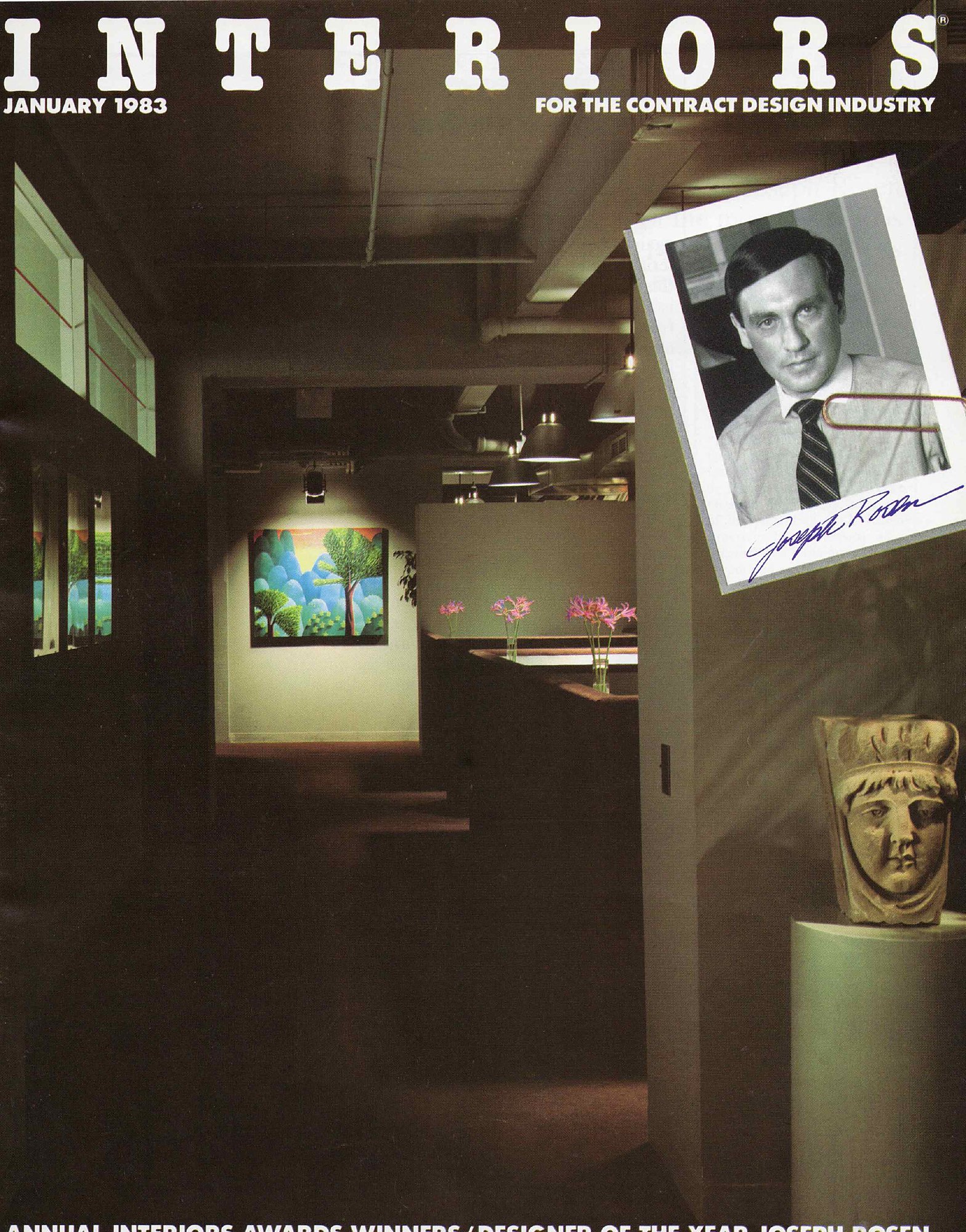
Interiors judged its annual award nominees against four criteria: humanism (does it feel good to be in the space?), efficiency, aesthetics, and practicality. For its January 1983 issue, the magazine put Joseph Rosen, Vice President of ISD, on the cover. Special features editor Maeve Slavin spent hours with him over lunches, dinners, at the ISD New York office, and on site at the AT&T headquarters he was then designing with Philip Johnson and John Burgee. Her verdict on handing in the manuscript: Rosen was 'one of the most impressive designers I've ever come across.'
2
A career of prestige
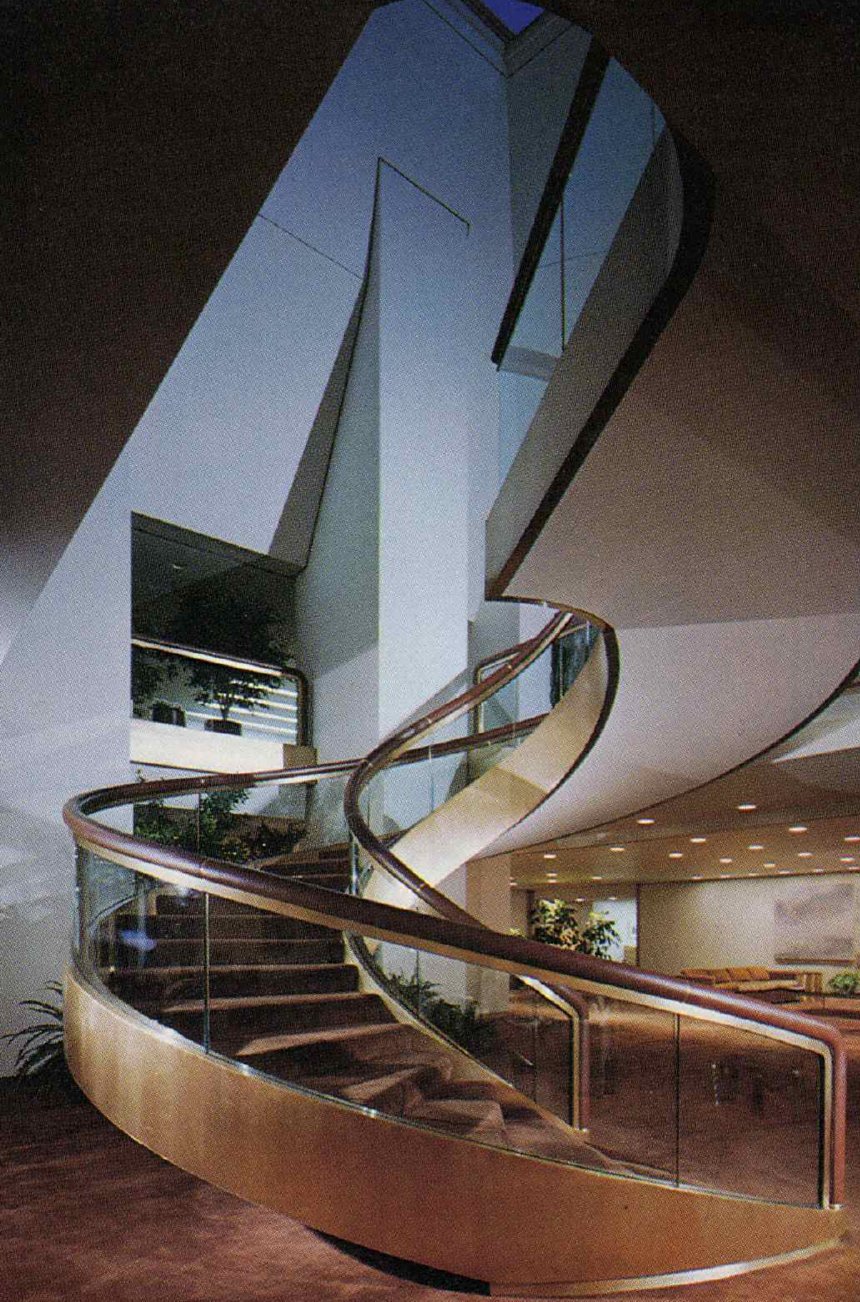
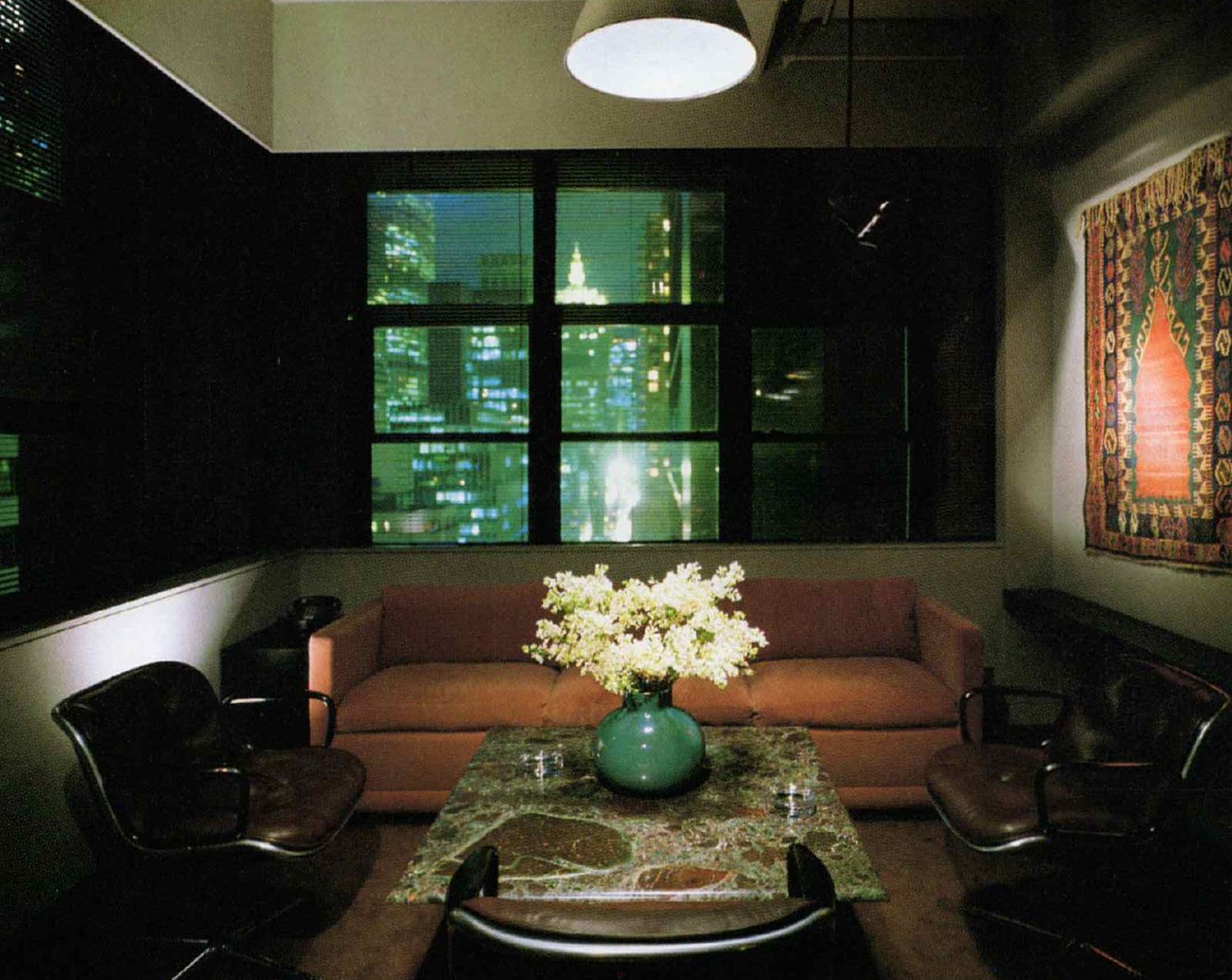
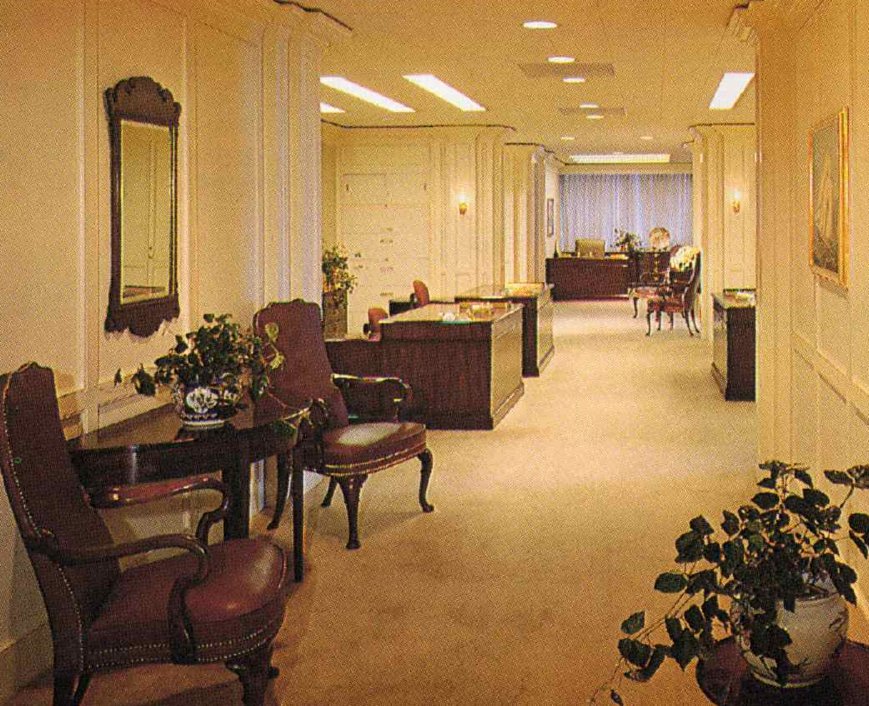
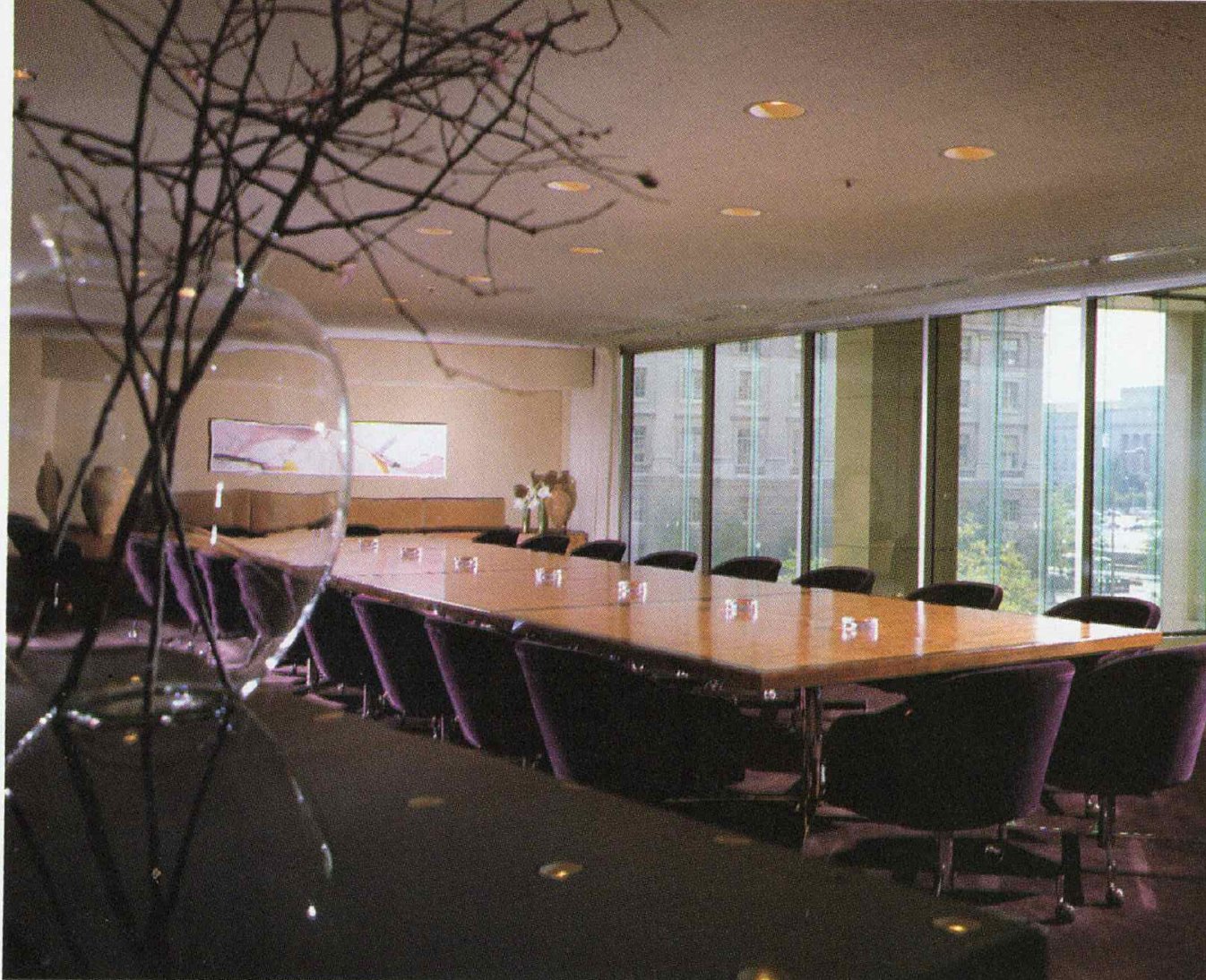
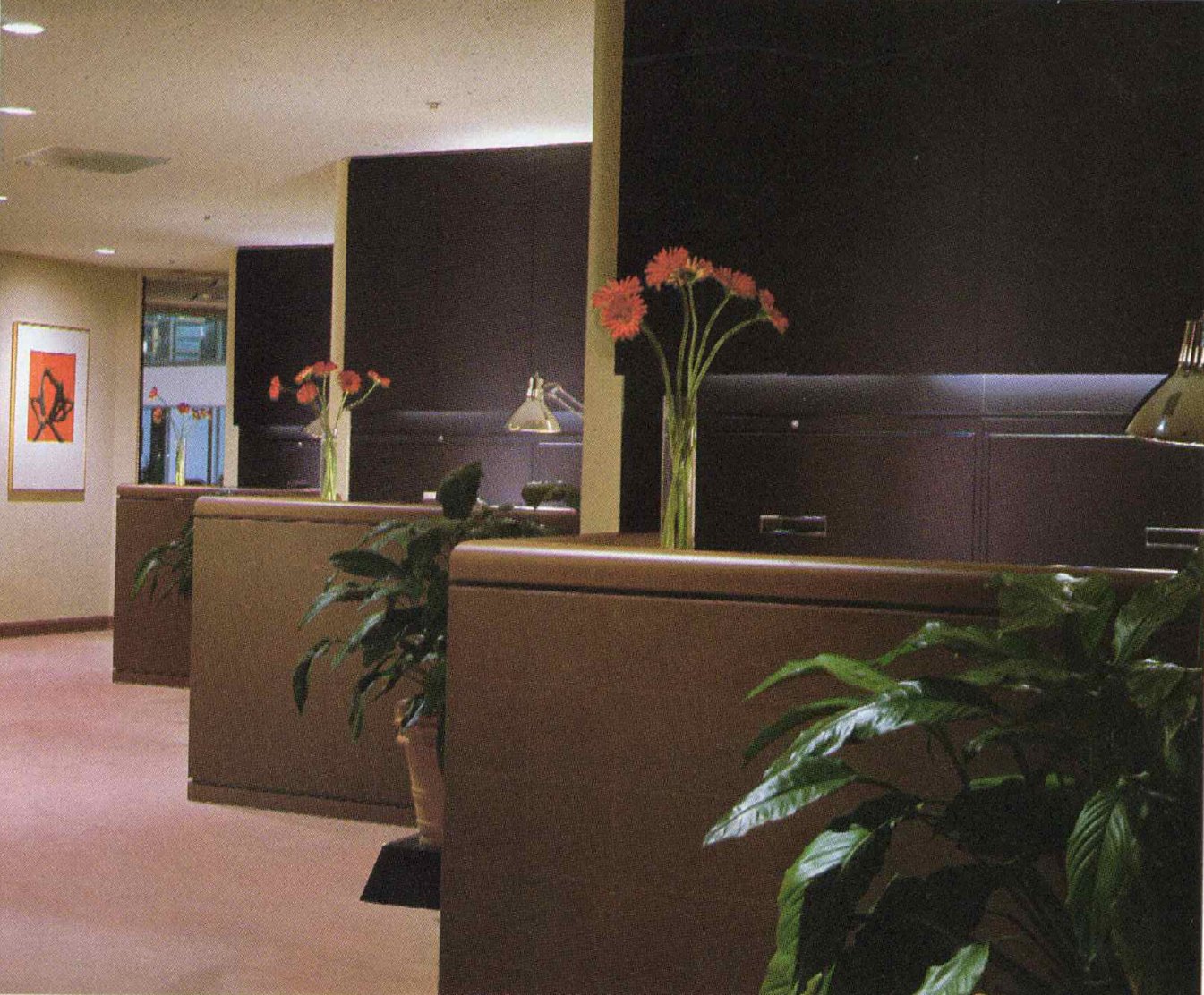
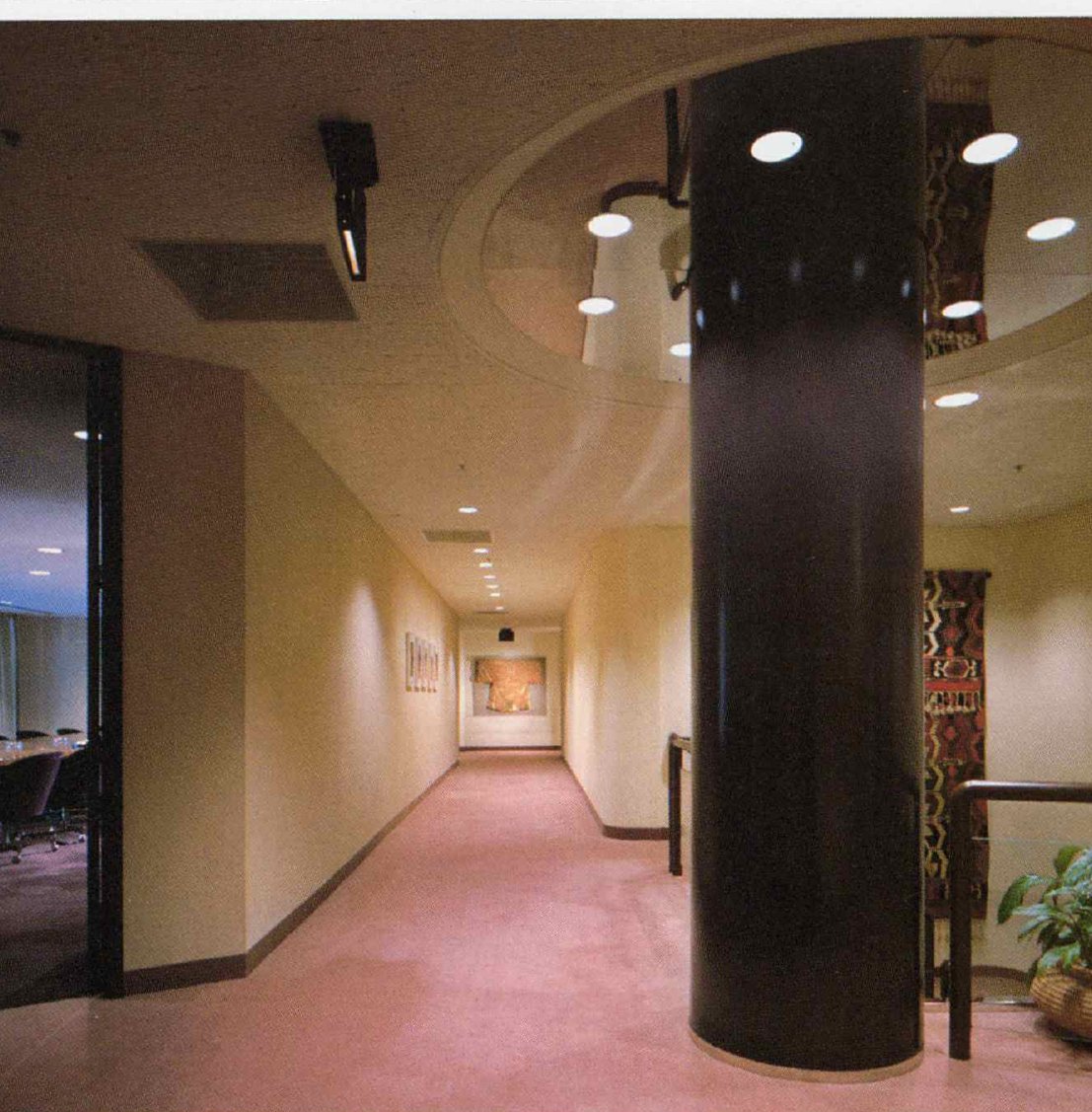
Rosen joined ISD in 1967 and rose quickly to associate, stockholder, and in 1979, Vice President. By 1983 his work included the Westinghouse Nuclear Division headquarters (1971), Heublein's headquarters (1972), AT&T's corporate offices in Basking Ridge (1977), and Xerox's headquarters (1979). At the time of the award he was leading comprehensive services for three of the most prestigious projects in the country: 350,000 square feet at AT&T on Madison Avenue, 600,000 square feet for PPG in Pittsburgh, and more than a million square feet for Standard Oil of Ohio in Cleveland.
3
Working with Johnson and Burgee
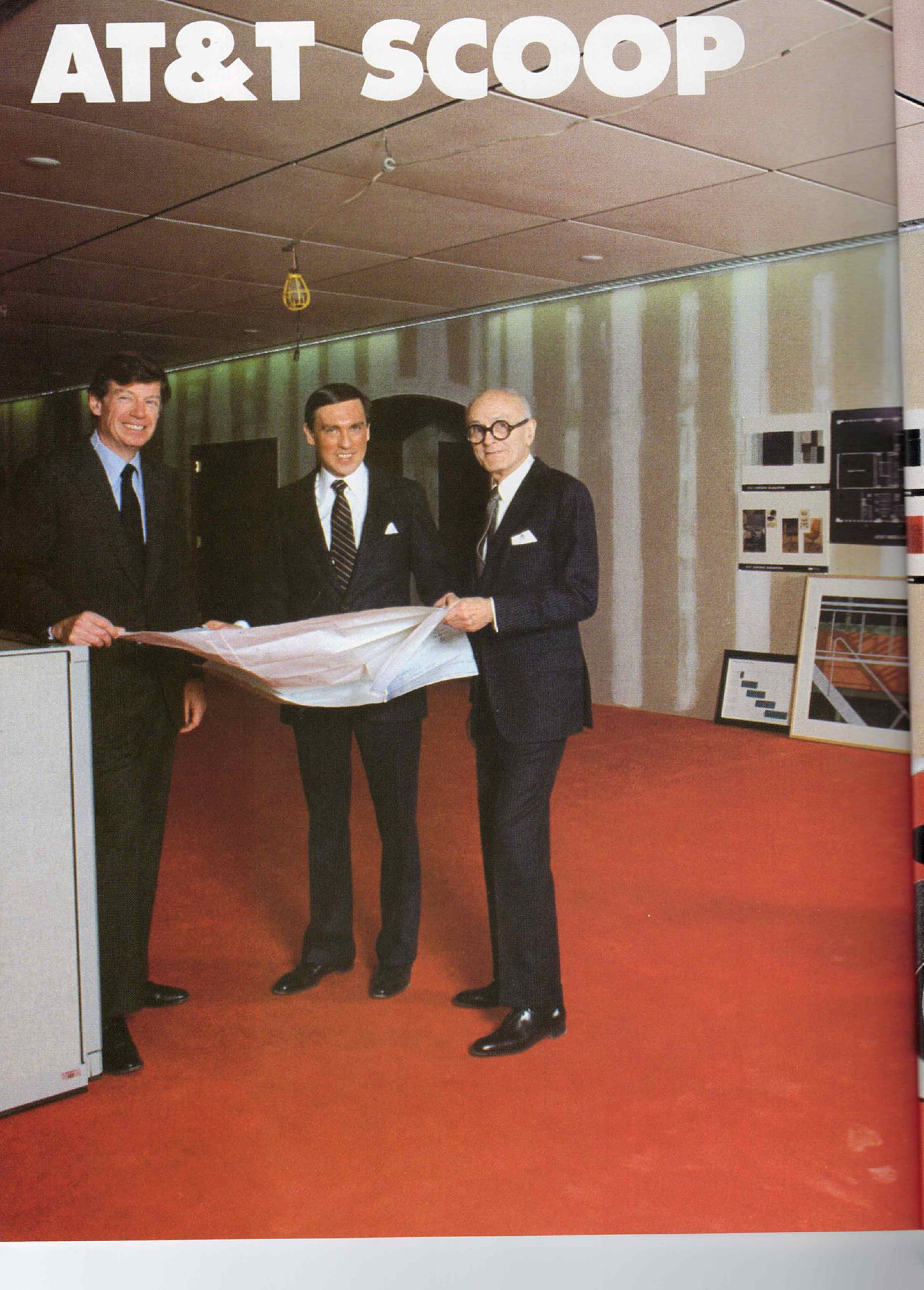
Rosen's work at Basking Ridge so impressed AT&T that when Philip Johnson and John Burgee were commissioned for the new Madison Avenue tower, ISD was brought into interior planning from the very start of design. When Johnson/Burgee later took on PPG's headquarters, they insisted that ISD, led by Rosen, join from the inception. On the 10th floor of the Madison Avenue site, a full mockup tested three color palettes, lighting that saved energy and suited the work, and ceiling tracks to light the art.
John Burgee, Joseph Rosen, and Philip Johnson at the full-scale mockup on the 10th floor of the AT&T headquarters
In their words
“Besides working well with us and his sensitivity to the intent of the architecture, he has great taste in his own right. When he proposes something we take it seriously.”
“I feel a great spirit of collaboration with Joe Rosen. We have so much confidence in him we'd like to recommend him to all of our clients.”
“He is so responsive to the mood of this building.”
Philip Johnson and John Burgee were the architects of the AT&T Building, 550 Madison Avenue, New York, for which Joseph Rosen designed the interiors.
4
Art as an essential
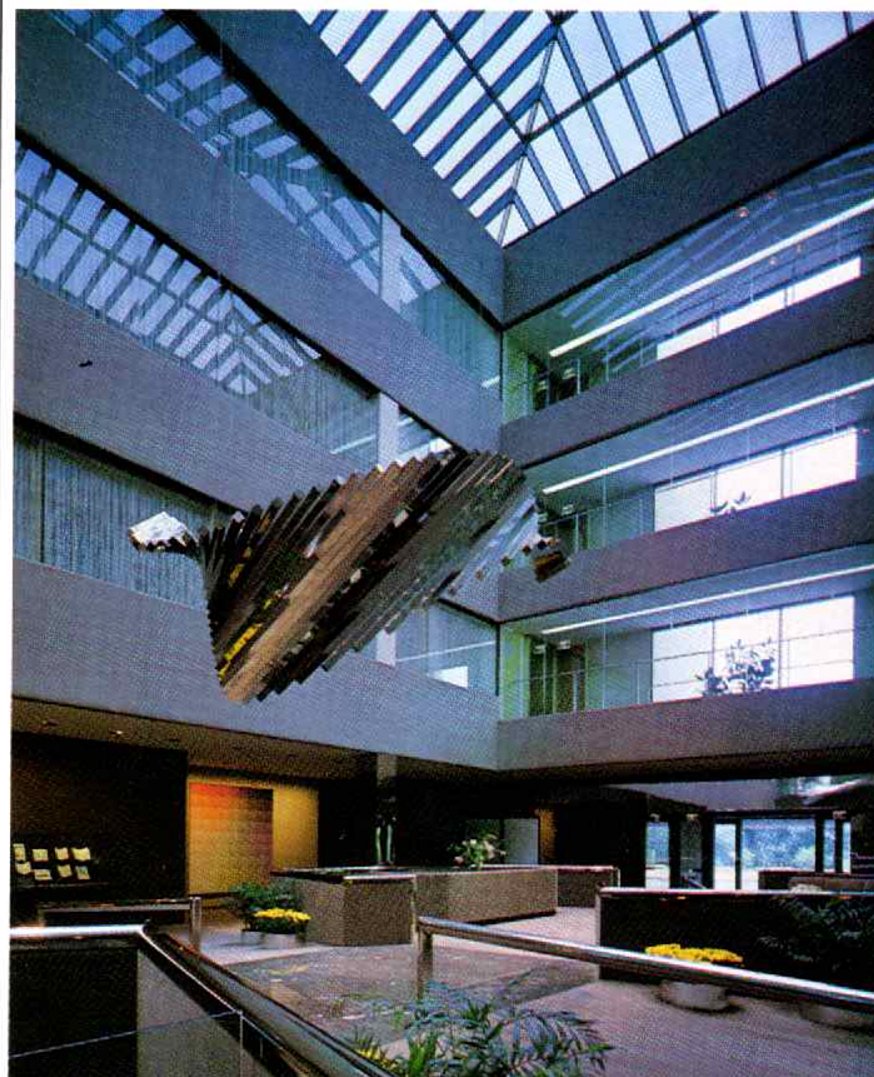
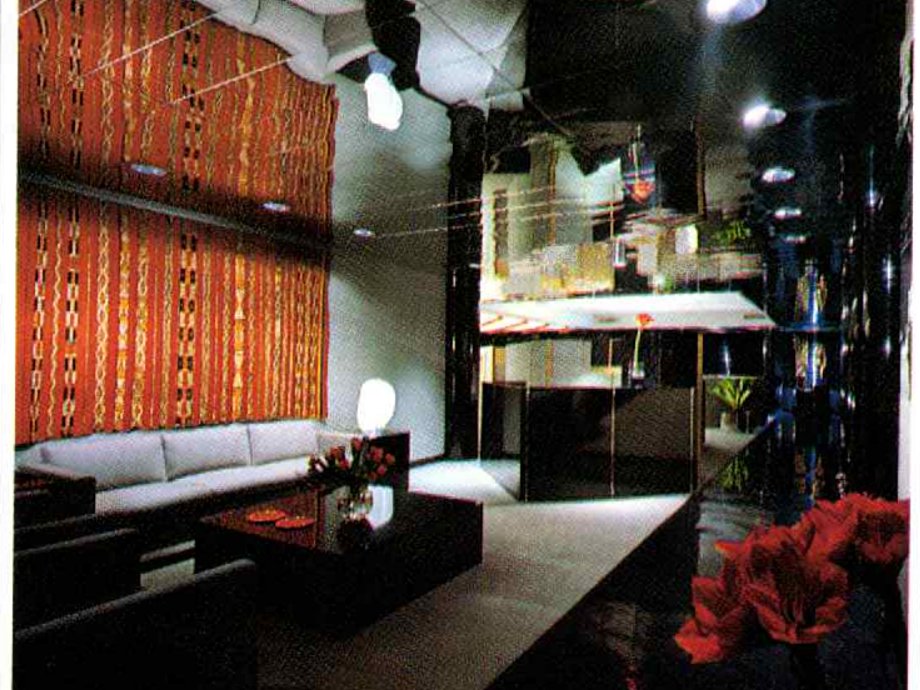
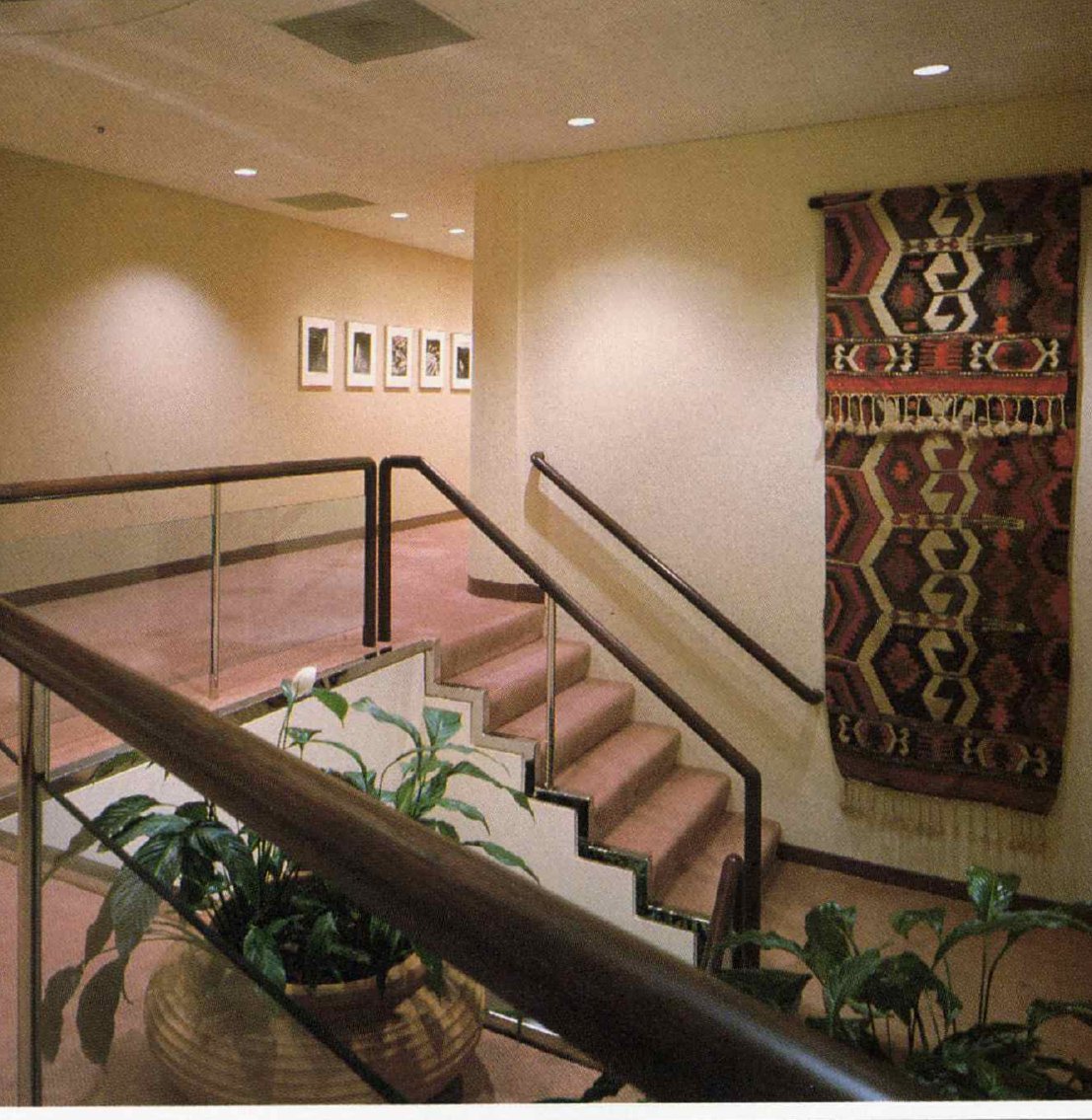
Rosen counts as one of his biggest contributions the conviction that art belongs in the conceptual design of every project, planned and budgeted from the start, never sold to a client as an investment. He served nine years on AT&T's permanent art committee and on PPG's art committee, and was an ongoing art consultant to Xerox. In the early 1960s, as a senior designer with Maria Bergson Associates, he helped commission a then little-known Ansel Adams to photograph the California coast near Carmel for the Bank of California. He was also an early supporter of the interiors photographer Jaime Ardiles-Arce, giving him his second commission.
“The spiritual quality of art enhances the totality of the environment; it brings an indispensable enrichment.”
5
Research and design
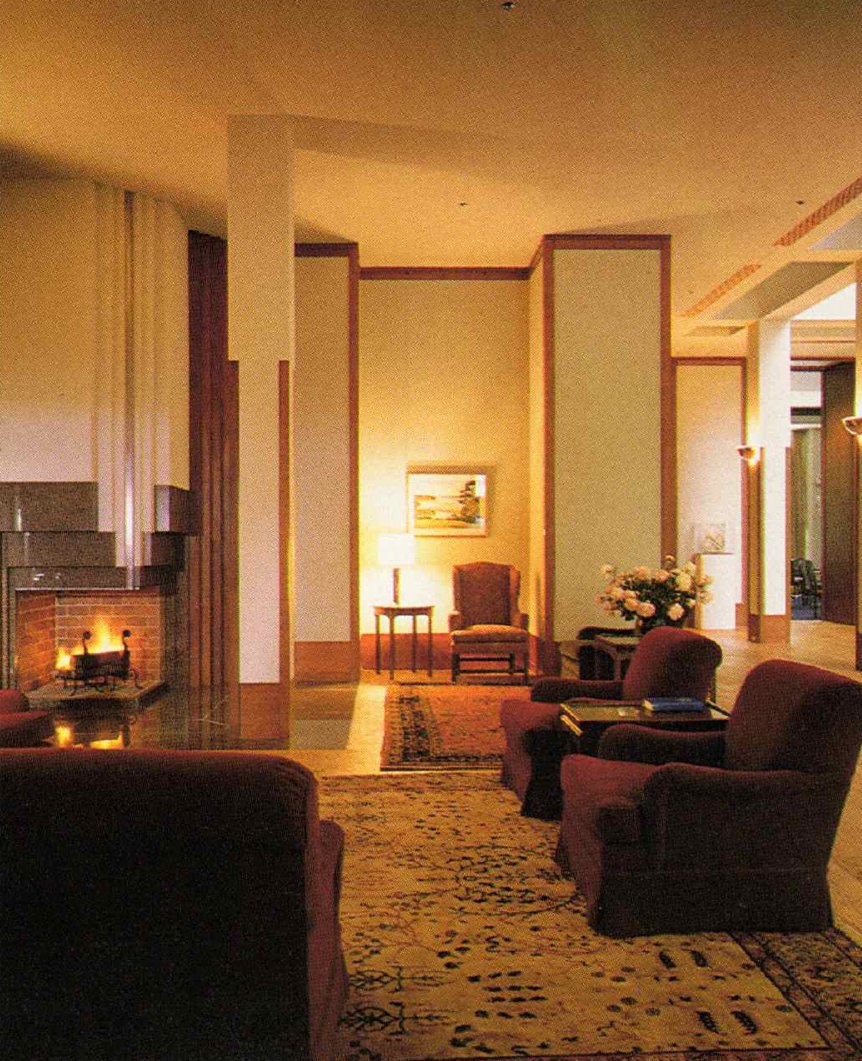
At ISD, Rosen led a team that studied office furniture and systems and kept up with the state of the art, with a particular eye on how computer terminals would change the executive office. In 1971 he worked on Westinghouse's ASD office system, and he later directed the team that designed the AD open-plan system for Alma Desk Company.
6
Versatility
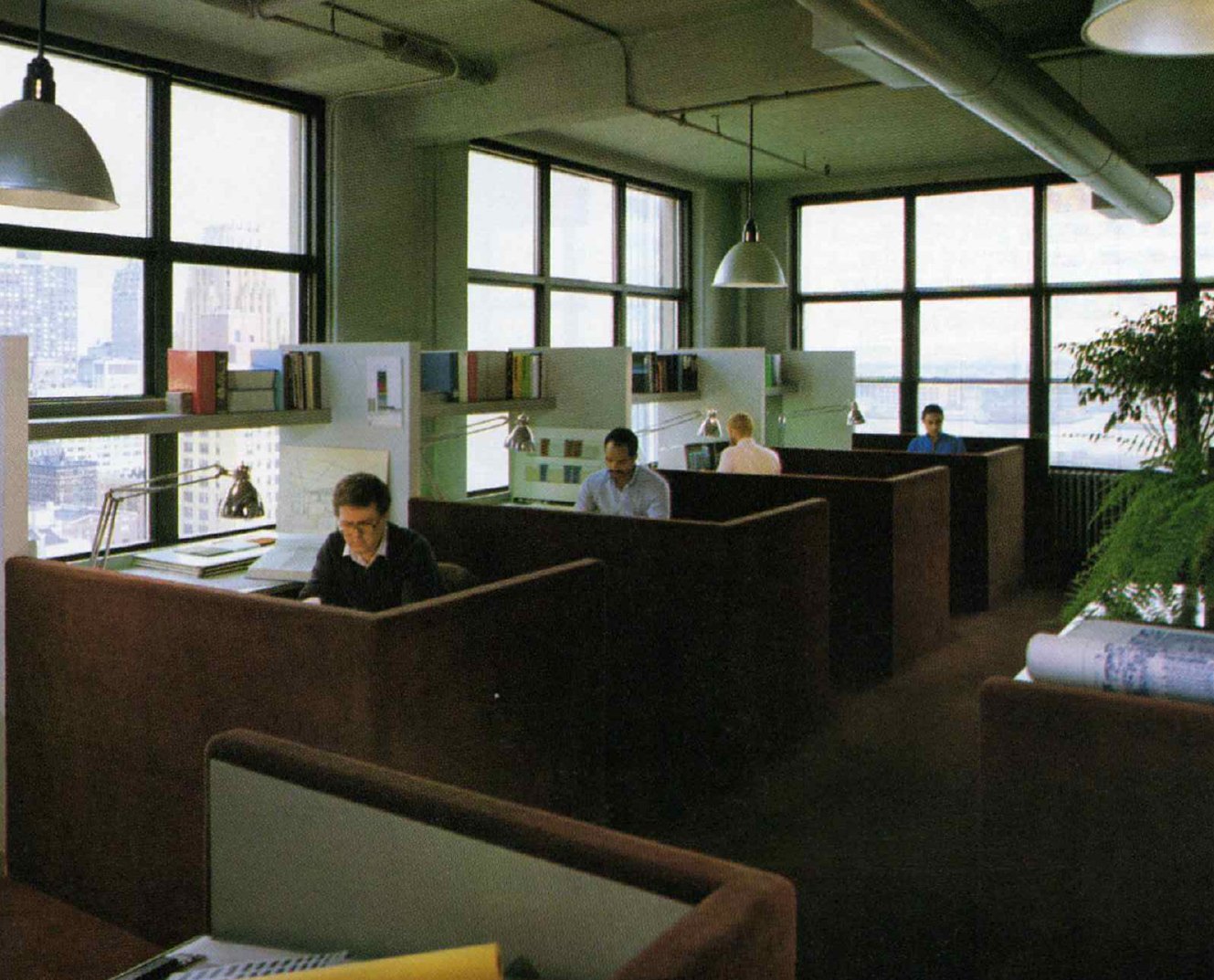
Rosen was as much at home in traditional styles as contemporary ones. The American Academy of Arts and Sciences, which won its own Interiors Award in 1982, showed his skill with history, and he restored the John Marshall Hotel in Richmond and ten houses in a small New York State town, including his own, 'as a weekend hobby.' A Pratt graduate (1961), he also studied art history at The New School and in England, and architectural history with Sybil Moholy-Nagy.
7
The designer's process
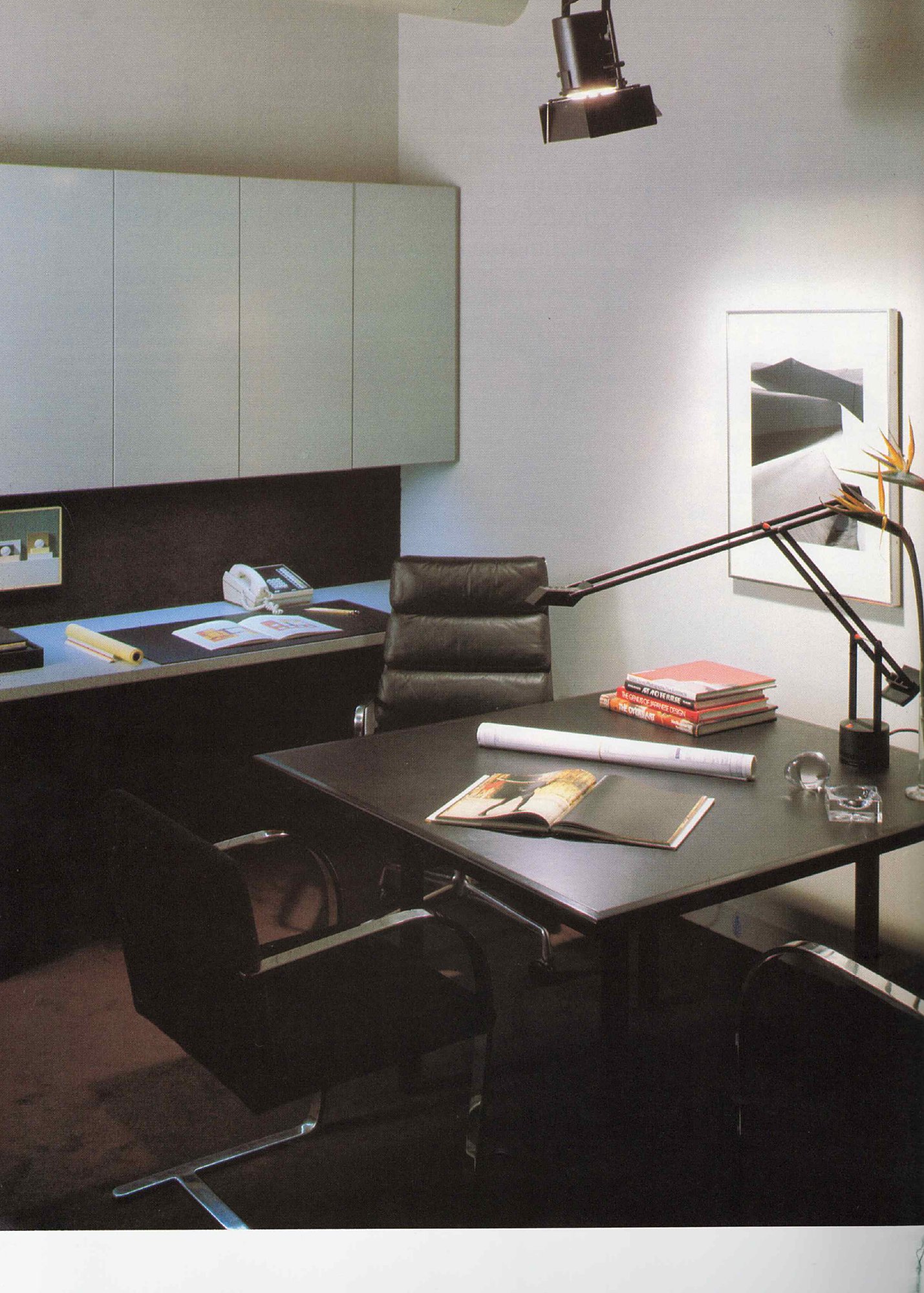
Colleagues described Rosen as courtly and diplomatic. Rather than pick a single style, he insisted that 'the footprint of our design style should come across as a level of quality.' ISD president Kenneth E. Johnson said he had 'a quiet mature strength which inspires our staff.'
“You have to listen well to the things that are not said as much as to the things that are said.”



Credits
- Article
- "Designer of the Year" by Maeve Slavin, Interiors, January 1983
- Editor's note
- "Winning Projects" by Beverly Russell
the Awards
- 1976Office of the Year Award, 2nd PlaceAmerican Telephone & Telegraph, Basking Ridge, New Jersey
- 198059th Annual Art Directors ClubXerox Corporation art collection brochure
- 1980Xerox Corporation AwardArt collection brochure and presentation box for the dedication of the new headquarters
- 1980Industrial Design Magazine, 26th Annual Designer's Choice AwardXerox Corporation art collection brochure and presentation box
- 1980Lumen AwardsLighting design, Alma Desk Showroom, New York
- 1980Illuminating Engineering SocietyAlma Desk Showroom, New York
- 1982Interiors Magazine, 3rd Annual Interiors Award
- 1982Institutional Design Award, 1st PlaceAmerican Academy of Arts and Sciences, Cambridge, Massachusetts
- 1983Interiors Magazine, 4th Annual Interiors AwardsDesigner of the Year — Joseph L. Rosen
- 1984Designs for Living AwardLos Angeles, California
- 1984Interior Design Conference, Spring 1984"Keys to the City of Houston," Houston, Texas